What a Dental Implant Actually Is (and Why It's Different From Other Options)
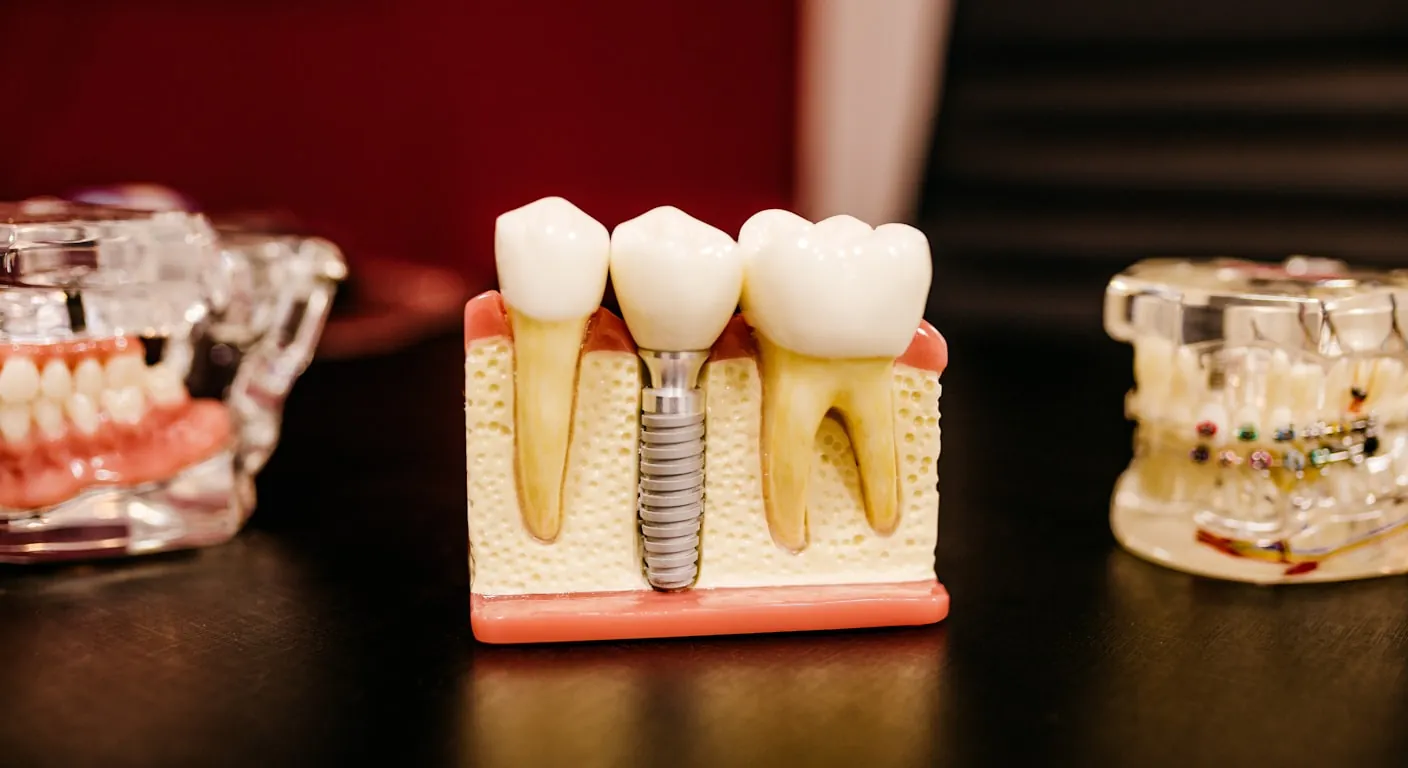
A dental implant is a small titanium post that gets placed directly into your jawbone, acting as an artificial tooth root. Once it integrates with the bone — a process called osseointegration that typically takes three to six months — a crown is attached on top, giving you something that looks, feels, and functions like a natural tooth. That last part matters more than most people realize. Bridges and partial dentures can restore appearance, but they don't address what's happening beneath the gum line. When a tooth root is missing, the jawbone in that area slowly begins to shrink because it no longer receives the stimulation it needs. Over time, that bone loss can affect neighboring teeth and even change the shape of your face. An implant is the only tooth replacement option that actually preserves the bone. We've placed and restored implants for patients who came to us after years of living with a gap or an ill-fitting partial, and the difference in their daily lives — being able to bite into an apple again, not worrying about something slipping during a conversation — is something that never gets old to witness.
Are You a Good Candidate? What We Look For
This is where honesty matters most, and it's something we take seriously at our practice. Not everyone is an immediate candidate for dental implants, and we'd rather have a straightforward conversation with you upfront than set unrealistic expectations. The most important factors we evaluate are bone density, gum health, and overall medical history. If significant bone loss has already occurred where the tooth is missing, a bone graft may be needed before an implant can be placed — this adds time to the process but is often very doable. Active gum disease needs to be treated and controlled first, because infection around an implant site is one of the main reasons implants fail. Certain medical conditions and medications — including some that affect bone density or immune response — are part of the conversation too. We had a patient in her early sixties who came to us having been told elsewhere that she wasn't a candidate because of some bone loss in her lower jaw. After a thorough evaluation and a bone grafting procedure, she ended up being a great candidate and has been enjoying her implant for several years now. The point isn't that implants work for everyone — they don't — but that a thorough, individualized assessment makes all the difference. Smokers are also at higher risk for implant complications, and we'll always be upfront about that rather than just telling you what you want to hear.
The Timeline and What the Process Actually Involves
One of the most common things we hear from patients considering dental implants in the West Allis area is surprise at how long the process takes. We understand the frustration — nobody wants to wait months for a complete smile — but understanding the timeline helps set realistic expectations and actually makes the experience much smoother. From the initial consultation to the final crown placement, the full process often spans six months to over a year, depending on whether preparatory work like extractions, bone grafting, or gum treatment is needed beforehand. The surgical placement of the implant post itself is typically a straightforward outpatient procedure done right here in our office. Most patients tell us the recovery was far more manageable than they expected — some mild soreness and swelling for a few days, easily managed with over-the-counter pain relief. After placement, there's a healing period while the implant fuses with the bone. We monitor this closely with follow-up visits. Once integration is confirmed, we take impressions and work with our dental lab to fabricate a crown that matches your surrounding teeth in color and shape. The final result is a restoration that most people — including you — won't be able to distinguish from a natural tooth. We walk every patient through each phase before we begin so there are no surprises along the way.
Understanding the Cost and Why It's Worth the Conversation
Dental implants are an investment, and we won't pretend otherwise. In the Milwaukee area, a single implant with a crown typically ranges from $3,000 to $5,000 or more depending on the complexity of the case and whether preparatory procedures are needed. Most dental insurance plans still classify implants as cosmetic or elective and provide limited or no coverage, though this is slowly changing and some plans do offer partial benefits — we'll always help you verify your coverage before moving forward. What we encourage patients to consider is the long-term value. A bridge, for example, requires grinding down the healthy teeth on either side to support it, and it typically needs to be replaced every ten to fifteen years. A well-maintained implant, by contrast, can last a lifetime. When you factor in the cost of replacements, the impact on adjacent teeth, and the ongoing bone loss that other options don't prevent, the math often looks different than it does at first glance. We offer financing options through CareCredit and are always happy to talk through what makes sense for your situation and your budget. The goal is never to push you toward the most expensive option — it's to help you make the decision that's right for your health and your life.