Where the Fear Comes From (And Why It No Longer Applies)
The horror stories most people associate with root canal treatment come from a time when dental anesthesia, instruments, and techniques were genuinely more limited. Patients who had root canals done in the 1960s or 1970s had a very different experience than someone sitting in our chair today. We've been treating families in West Allis and the greater Milwaukee area since 1946, so we've actually lived through that evolution firsthand — and the difference is remarkable.
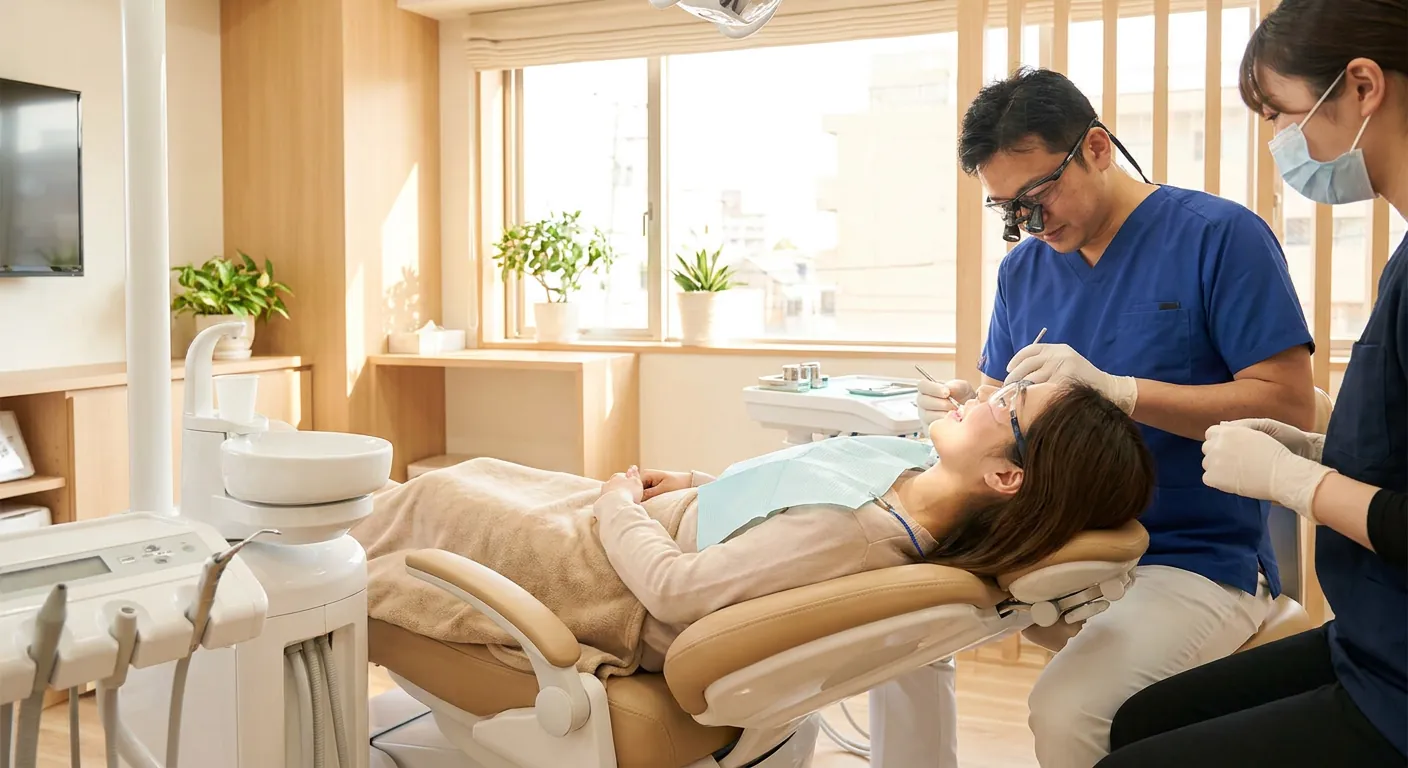
Modern root canal treatment is performed with fine, flexible instruments, highly effective local anesthesia, and in many cases, a level of precision that simply wasn't possible a generation ago. Most of our patients tell us afterward that it felt about the same as getting a filling. Not fun, maybe, but not the ordeal they'd built up in their heads for weeks. The anxiety before the appointment is almost always worse than the procedure itself.
What Actually Happens During a Root Canal
A root canal becomes necessary when the soft tissue inside a tooth — called the pulp — becomes infected or severely inflamed. This can happen because of deep decay that went untreated for too long, a crack in the tooth, or sometimes repeated dental work on the same tooth over the years. The pulp contains nerves and blood vessels, and when it gets infected, it hurts. That throbbing, keep-you-up-at-night kind of hurt that no amount of ibuprofen fully touches.
What we do during root canal treatment is remove that infected pulp, clean and shape the canals inside the root, and then seal everything off so bacteria can't get back in. The tooth is then typically restored with a crown to protect it long-term. The procedure itself is done under local anesthesia, so you're numb the whole time — most patients say a root canal feels about the same as getting a filling, not the ordeal the reputation suggests. The whole point is to save the tooth — to let you keep something that's yours rather than extracting it and dealing with the gap or a replacement down the road. We had a patient a couple of years ago, a woman who'd been putting off coming in because she was convinced we were going to tell her the tooth had to come out. She'd been managing the pain with over-the-counter medication for almost three weeks, eating only on one side of her mouth, and barely sleeping. After we explained what was going on and completed the root canal over two appointments, she said she wished she hadn't waited. The relief was that significant.
For patients who speak Korean and are more comfortable discussing their treatment in their first language, Dr. Park is here to help walk through every step of the process so nothing gets lost in translation. We've found that understanding exactly what's happening — in a language you're fully comfortable in — makes a real difference in how patients feel going into treatment.
Signs You Might Need Root Canal Treatment (Don't Ignore These)
One of the most important things we want people in the West Allis and Wauwatosa area to understand is that waiting doesn't make a tooth infection go away. It makes it worse. Dental infections don't resolve on their own, and in serious cases, they can spread beyond the tooth itself.
Some of the signs that tell us a tooth may need root canal treatment include pain that lingers after eating or drinking something hot or cold, spontaneous throbbing pain that comes on without any obvious trigger, sensitivity or pressure when biting down, darkening of the tooth, or swelling in the gum near a specific tooth. Sometimes there's no pain at all — we catch infections on X-rays during routine exams before a patient even knows something is wrong. That's actually the best-case scenario, because treatment at that stage is simpler and the tooth is easier to save.
If you've been sitting with a toothache and telling yourself it'll pass, please don't wait much longer. The longer an infection goes untreated, the more complicated things get — and the harder it becomes to save the tooth. We'd much rather see you when things are still manageable.
Root Canals Are About Saving Your Tooth — Not Punishing You
We think part of what makes root canals feel so daunting is the name itself. It sounds clinical and serious. But the goal of the procedure is genuinely straightforward: keep your natural tooth. Your natural teeth are always the first choice. Nothing we can place in your mouth — not an implant, not a bridge — functions exactly the way your own tooth does. Root canal treatment, when it's indicated, is how we protect that.
At Gentle Smiles Dentistry, our doctors — Dr. Wong, Dr. Park, and Dr. Xiao — approach root canal treatment the same way we approach everything else here: carefully, with good communication, and with a genuine interest in making sure you feel okay about what's happening and why. We're not a high-volume corporate office. We're a practice that's been part of this Milwaukee-area community for a long time, and we care about outcomes that actually hold up for our patients over the years.
If you've been told you may need a root canal, or if you're dealing with tooth pain you've been putting off, the worst thing you can do is keep waiting and wondering.